
Phytoplankton are single-celled microscopic algae that play an important role in the marine ecosystem, converting energy from sunlight into carbohydrates via photosynthesis and forming the base of the marine food web.
However, some phytoplankton can produce biotoxins that can accumulate in the flesh of shellfish via filter feeding, and higher toxin levels can pose a serious risk to human health if consumed, and also to marine mammals and sea birds. To combat this, all shellfish are tested for the presence of these toxins by Food Standards Agency, UK and Food Standards Scotland before being placed on the market to ensure human health is protected.
Pseudo-nitzschia and Dinophysis are a common component of the phytoplankton community along Europe’s Atlantic coast and the North Sea. A number of Pseudo-nitzschia species produce the toxins responsible for Amnesic Shellfish Poisoning (ASP), while some Dinophysis species produce the toxins responsible for Diarrhetic Shellfish Poisoning (DSP).
A new study, published in the journal Harmful Algae, has provided updated maps for the North East Atlantic showing how the abundance and distribution of these two groups have changed over the last six decades.
These changes are important as the toxins produced can act as a chronic environmental pressure for sea birds and marine mammals, but the increased knowledge can be used as a way of anticipating shifting risks for shellfisheries and aquaculture.
The researchers also wanted to explore whether changes observed within these types of phytoplankton are representative of overall plankton diversity.
The research was led by scientists from the University of Plymouth and the Marine Directorate of the Scottish Government, in conjunction with Plymouth Marine Laboratory (PML), the Marine Biological Association (MBA), and the Scottish Association for Marine Science (SAMS).
Dr Matthew Holland, a Postdoctoral Research Fellow at the University of Plymouth and the study’s lead author, said:
“These are two of the most closely monitored groups of harmful algae in Europe, however one of the main conclusions from this study is that they cannot reliably represent the wider phytoplankton community. Pseudo-nitzschia and Dinophysis follow distinct seasonal cycles and long-term redistributions, rather than following those of the wider groups to which they belong. It highlights the value of sustained long-term monitoring programmes that consider the full plankton community, and many of which are currently under threat due to funding cuts, resource constraints, and skills shortages.”
Studying shifts in Pseudo-nitzschia and Dinophysis
The research focused on observations from two offshore monitoring stations – the L4 station managed by PML in the Western English Channel and the Scottish Coastal Observatory monitoring (SCObs) Stonehaven station, south east of Aberdeen in the North Sea and managed by the Marine Directorate of the Scottish Government.
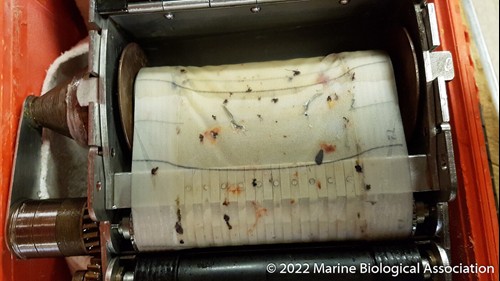
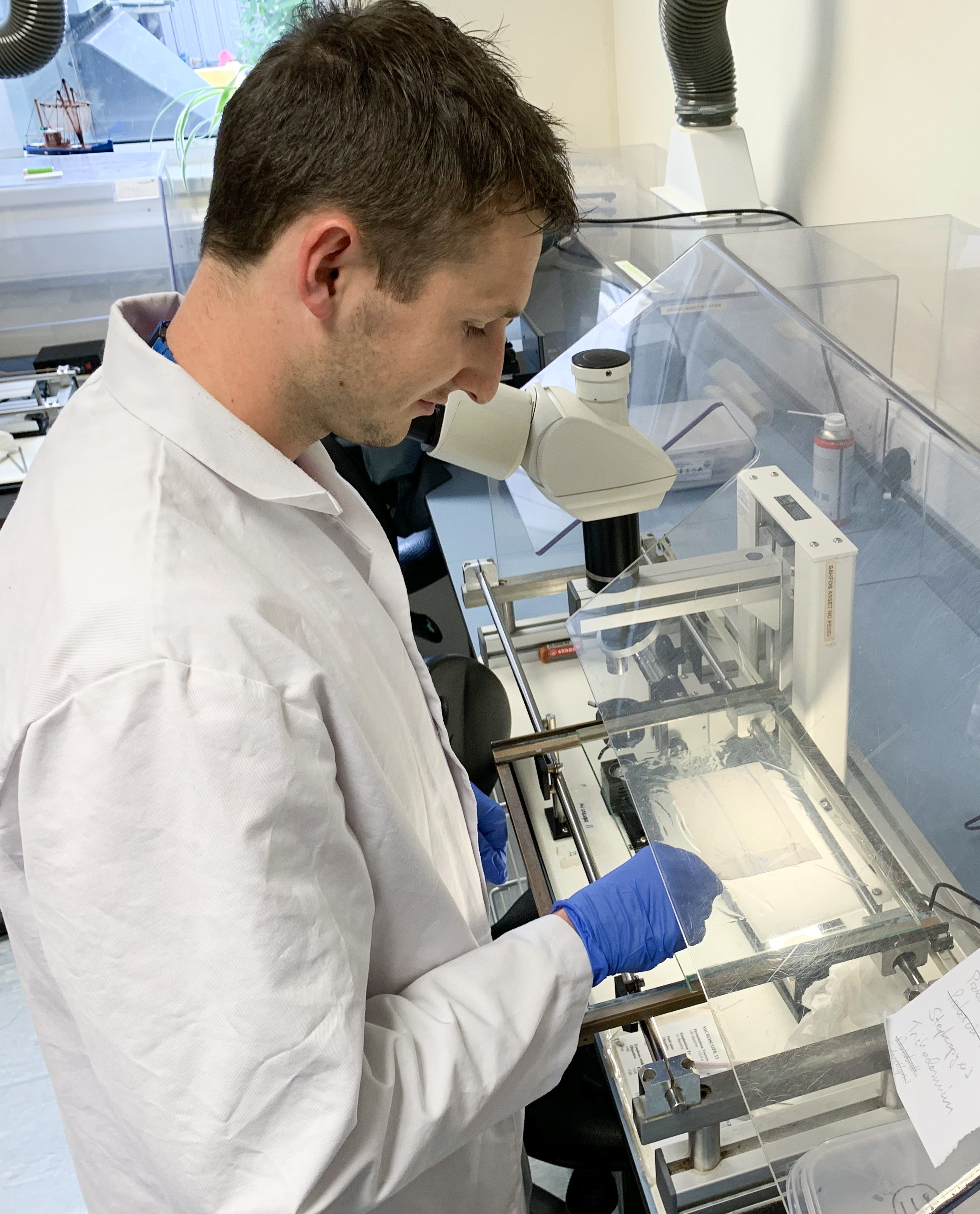
These observations were then compared with six decades of data from the MBA’s Continuous Plankton Recorder (CPR) Survey, the world’s most extensive survey of marine biodiversity. This comparison allowed researchers to assess changes in both coastal and open ocean environments, as well as periods ranging from individual seasons to several decades.
For Pseudo-nitzschia, the CPR data showed that in the North Sea, abundances rose from the 1970s and peaked between 2000 and 2010 before declining after 2010, with increases in spring along the southern and eastern North Sea and later summer peaks northeast of Scotland.
The results from the coastal stations showed significant variation, with a large peak in abundance in the spring and a smaller one in summer at the L4 station but the opposite – a smaller peak in spring and a larger peak in summer – at the Stonehaven site.